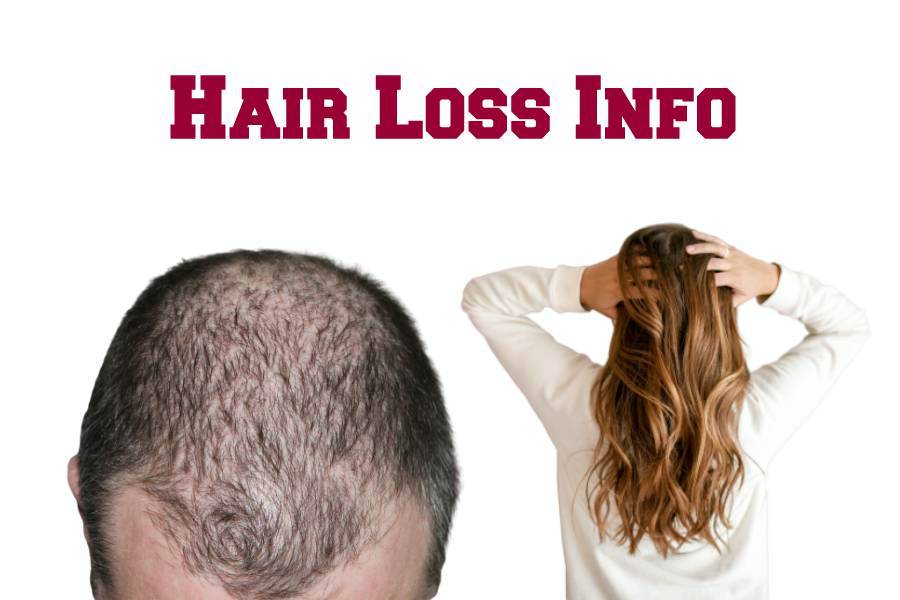

Traditional treatments for hair loss have existed for millennia among humankind. But the question remains: are these treatments any good nowadays? Various folklores indicate, indeed, that our ancestors used many remedies against thinning hair, and nettles feature highly in most traditional hair loss treatments worldwide.
Among the many worthy resources on the subject is the book by Peters et al., “Hair Loss Prevention Through Natural Remedies,” a true treasure trove of information on natural remedies for hair loss. This book can be obtained through Amazon and other reputable booksellers with ease, and would serve as an extremely good starting point for a person interested in traditional remedies.
Popular Herbal Remedies
Rosemary Solution: Rosemary is oft-quoted in herbal literature, as it helps maintain scalp health and stimulates the hair follicles. One simple formulation to create an infusion using rosemary is by boiling rosemary, sage, peach leaf, nettle, and burdock in water. Let it quit boiling and then strain it. Use it daily as a wash for your hair. This is considered to clean the scalp and stimulate the roots of hair growth.
Apple Cider Vinegar: This too has been one of those folk remedies which has been very popular as a solution for hair troubles.
The Mechanism: It normalizes the oiliness of the scalp and provides an excellent cleaning.
Application: Divide your hair into sections and apply two tablespoons of apple cider vinegar directly on to the scalp using a cotton ball, wet with water. Leave it on your head from fifteen minutes to three hours, depending on the need for optimum benefit.
Essential Oils and Cayenne Pepper
Essential Oils: More than a few plant-based essential oils have been identified over many centuries with characteristics of encouraging blood flow to the scalp, which is also the trigger for cellular regeneration. Of all such essential oils, the most effective are those of cedarwood, clary sage, eucalyptus, lavender, and rosemary.
The general formulation could be ten drops of the essential oil in one ounce of the carrier agent like jojoba or olive oil applied on top of the scalp, massaging for at least fifteen minutes before shampooing.
Cayenne Pepper Hair Tonic: With its well-recognized irritating effects to the skin, increasing blood flow and encouraging cellular division, cayenne pepper preparations have also been utilized topically for hair loss. Cayenne pepper tonic: Combine four ounces of cayenne pepper with one pint of high-proof vodka, or alcohol diluted with 20 percent distilled water.
Let this steep for two weeks, shaking every day, then strain the mixture through fine cloth and discard the solids of the pepper. This can then be massaged on the thin areas of the scalp once or twice a day.
These traditional approaches have been steeped in the cultural practices of ancient societies and are probably more relevant today than ever, as we seek natural means to enhance our health and appearance.
The Role of Omega-3 Fatty Acids
But aside from all the topical treatments one can use, it is equally imperative to take into consideration the dietetic factors because they are directly implicated in the health of a person’s hair. Omega-3 fatty acids-particularly those in fish and flaxseed-have a wide array of health benefits that make them highly useful for general brain health.
Flaxseed oil originates from the plant known as flax. The primary active principles are the necessary fatty acids, which are crucial for life; your body, however cannot produce these but requires that you include them in your diet.
This is an exceptionally valuable food because the flaxseed contains a high level of omega-3 fatty acids that are sensitive to heating. For this reason, flaxseed oil is often recommended over the whole seeds in order to derive the most health benefits.
The flaxseeds also contain omega-6 fatty acids that are abundant in vegetable oils. In the average diet, there is no shortage of omega-6s, which points to the importance of balancing these with an adequate intake of omega-3s.
Flaxseeds added to the diet have been attributed to various health-related benefits. For example, one small study involving men diagnosed with prostate cancer found that when patients added an ounce of ground flaxseed daily to a very low-fat diet, it helped slow the cancer progression from diagnosis to surgery (Site Factory admin, 2014).
This finding indicates that nutritional changes, especially those regarding omega-3 fatty acids, can have more far-reaching consequences than just hair growth and health, further justifying their inclusion in our daily life.
Conclusion
Traditional remedies, including those from rosemary, apple cider vinegar, essential oils, and cayenne pepper, must have something valid to offer for their use to stand the test of time. Dietary components comprising omega-3 fatty acids, like flaxseed and fish oil, promise health benefits that could be shared in maintaining and improving hair health.
While individual results may vary among the individuals undergoing treatments, these embrace a course of action most people would find natural and not out of the ordinary for hair loss. Being able to merge ancient practices with modern knowledge regarding nutrition and healthy fats will allow us to provide a comprehensive overview of hair maintenance while respecting tradition just as much as scientific knowledge.
From brewing herbal rinses to increasing omega-3s in the diet, there’s some validity to reaching into the past when it comes to navigating common modern health dilemmas.
References
Site Factory admin. (2014, February 8). Nutrition Bites – Ground flaxseed reduces prostate cancer proliferation in men. UC Davis Nutrition Department. https://nutrition.ucdavis.edu/outreach/nutr-health-info-sheets/ground-flaxseed