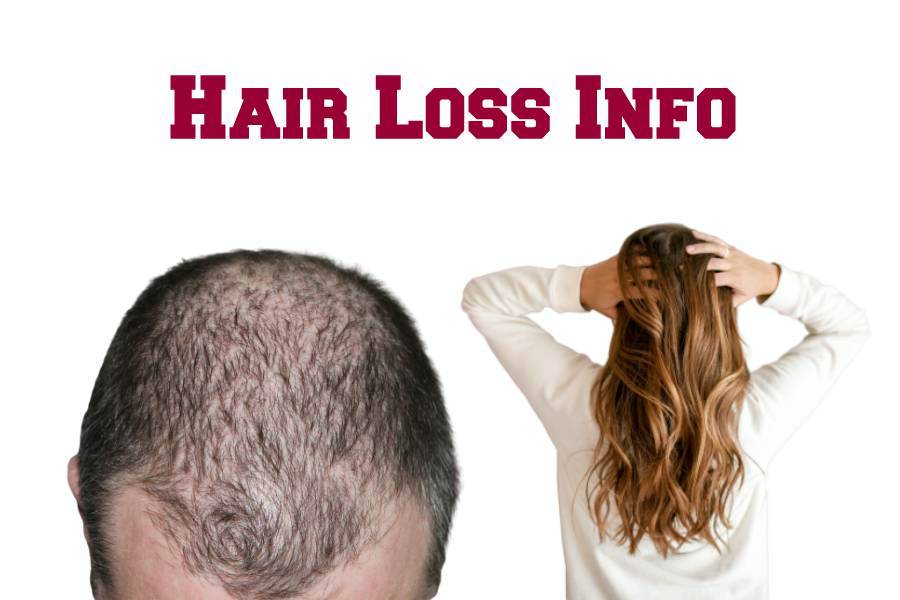

As part of the natural aging process, hair loss is inevitable; however, when your loss becomes excessive or sudden you must take measures to stop and regrow it. Natural remedies can include massaging your scalp regularly and eating foods high in proteins to stop hair loss and restore lost strands.
Home Remedies
Hair loss can be deeply distressful, yet there are several natural methods of stimulating growth of new follicles. These include including more protein-rich foods in your diet and massaging the scalp to promote blood circulation and circulation of nutrients to your roots; massaging with saw palmetto or rosemary essential oil topicals treatments for tight hairstyles and heat styling; using supplements specifically targeted toward hair loss reduction or stress relief; as well as treating any underlying health conditions which contribute to thinning or balding issues.
If you are experiencing excessive hair fall, first reduce the number of times that you shampoo per week to slow the rate and promote regrowth. Massage your scalp daily with warm coconut or olive oil to nourish hair follicles. Drink plenty of water daily too to ensure your body can transport vital nutrients directly to your scalp.
Try applying onion juice directly to the scalp daily to promote hair regrowth, using its sulphur-rich properties to stimulate the hair follicles and encourage blood circulation. Squeezing an onion and applying its juice directly can work, or try an Ayurvedic onion treatment oil such as Keshking Onion oil as another option.
Peppermint oil can also be a highly effective remedy for hair loss, stimulating regrowth in both your scalp and hair follicles. Simply mix some drops of peppermint essential oil with carrier oils such as sweet almond or castor oils for application directly on your skin or try pre-mixed treatments such as the Black Seed Oil Elixir with its mix of 33 natural ingredients such as peppermint, thyme and hibiscus oils that stimulate hair follicles directly.
Natural Ways to Stop Hair Loss
Regrowing hair requires feeding your scalp and locks with essential oils, protein-rich foods, healthy diet, stress reduction techniques and natural supplements such as saw palmetto. Massaging strands daily also can increase blood flow to your scalp while tight hairstyles and heat styling should be avoided while practicing yoga or meditation to manage stress is another effective method.
Protein deficiency is one of the primary causes of hair loss. To combat it, increase plant-based protein sources like lentils, beans, seeds, nuts and skinless chicken breast. You should also increase vitamin C intake as this will help scavenge free radicals which damage hair; foods rich in this include Indian gooseberry (amla), citrus fruits and kiwis.
Coconut oil can also help moisturize and stimulate hair growth by soothing inflammation, increasing circulation, and soothing dry scalp. Packed with vitamins and minerals that promote hair regrowth and strengthen follicles, you can add it to shampoo or massage your scalp with this oil for immediate results. As an alternative, try jojoba oil which penetrates deeply into follicles to strengthen them from within while fighting dandruff while supporting overall scalp health.
Hormone Imbalances
As men age, they will experience andropause – the male equivalent to menopause – which can cause hormone levels to fluctuate and alter your emotions, physical body and mood – ultimately leading to hair loss if left unchecked.
Hormonal imbalances may arise for various reasons, including diet, stress and environmental influences. If you find yourself suffering from hormonal issues, natural solutions exist that can help stop hair loss and regrow it naturally – these include massaging your scalp to increase blood flow; applying natural oils that nourish hair follicles; relieving stress; as well as using saw palmetto and green tea extract as natural remedies.
If your hormonal imbalance is due to nutritional deficiency, there are various foods that can help enhance your nutrition and promote hair growth. Anabel suggests including protein-rich foods at breakfast and lunch such as eggs, fish, poultry and nuts in your diet for best results. Trans fat and saturated fat rich foods should also be avoided to protect overall health; conversely if there is an iron or B12 deficiency present it is essential that this is corrected immediately in order to stop further hair loss.
Chronic Inflammation
Chronic inflammation of the hair follicles, responsible for producing new strands of hair, is caused by scalp conditions like alopecia, seborrheic dermatitis, folliculitis and psoriasis; or by autoimmune diseases like Lupus, Rheumatoid Arthritis or Inflammatory Bowel Disease – but left untreated these conditions can result in permanent hair loss.
Signs of scalp inflammation include red, itchy patches, burning sensations and flaking. If these symptoms arise for you, visit a healthcare provider immediately in order to get diagnosed and treated. Inflammation may also occur elsewhere in your body such as joints and organs so it’s crucial that you work together with them to determine its source.
If inflammation is due to a medical condition, treatments include medication or other interventions. You might receive a vasodilator (such as minoxidil) to stimulate hair growth or be recommended platelet-rich plasma therapy as a means to regenerate hair follicles more rapidly.
Inflammation can damage hair follicles and prevent new hair from growing, often due to bacteria infections or sexually transmitted diseases like syphilis. Once this inflammation subsides, new hair usually returns.
Inflammation can also be caused by lifestyle choices. For instance, being physically inactive increases your risk of chronic inflammation. A diet rich in healthy, nutrient-dense foods like leafy greens, nuts, fish, fruits and vegetables can help control inflammation levels; getting plenty of restful sleep and practicing stress management techniques also play a vital role. It’s also essential to avoid foods or products which worsen inflammation such as sugary drinks, red meat products, processed or fast foods as these could increase inflammation further.
Stress
Stressful situations can increase cortisol levels, forcing your hair follicles into resting phase and leading to hair loss. Reversing high stress levels may stop hair loss and encourage regrowth by eliminating tight hats/wigs that obstruct bloodflow to your scalp, massaging it daily, eating more protein-rich foods and practicing yoga on a regular basis, taking natural supplements like saw palmetto extract supplements as needed, sleeping enough each night, exercising regularly, and staying away from toxic environments and people/people.
Stress-induced hair thinning or balding is rarely permanent; it can often be reversed through practicing stress management techniques and consulting with a healthcare provider who specializes in treating patients with Alopecia areata. For optimal results, consider seeing your doctor for PRP injections, other forms of treatment options that promote regrowth such as PRP treatments or supplements and topicals to restore your follicles to their ideal state.