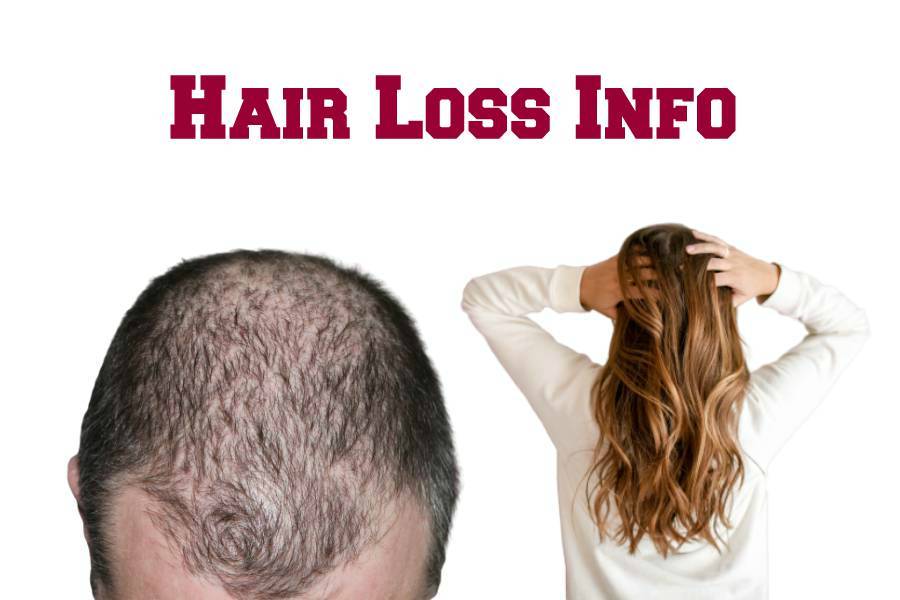

Hair loss can be much like a personal tidal wave, crashing over self-esteem and confidence. If you are one of the women who face this, you are not alone. So many women face hair thinning or loss at one point or another. Well, cheer up! There are numerous treatments that could help you regain your luscious locks and your regained confidence.
Understanding Hair Loss in Women
The first and foremost issue to be considered is that of identifying the cause. Hair loss in women could be because of several factors affecting their state of health as a whole. The most common cause involves changes in hormonal balances, especially during pregnancy, menopause, and even monthly cycles. This can result in an overall thinning of hair or patches that show no hair at all.
The second major cause of hair loss is stress. When stress levels are high, it leads to the development of conditions like telogen effluvium, a condition associated with hair follicles that impede hair growth and result in increased hair shedding. This might be related to life’s challenges associated with work, relationships, or personal, hence adding to the level of stress and its eventual result on hair health.
Genetics also have a significant impact in the case of losing hair by women. If thinning hair or baldness is part of the family history, then it can be expected that the same patterns may come into effect during the later years in a woman. This genetic predisposition tracing back through generations can determine how thick and fine the hair is.
These are but a few causes; there are also medical conditions linked with hair loss. Such is the case with thyroid conditions, which affect the production of hormones and can bring about noticeable changes in hair growth and thickness. A condition that involves a lack of red blood cells is anemia; hence, symptoms include general fatigue and hair thinning. It is very important to recognize and learn about such medical conditions, as these may require professional treatment to handle symptoms properly and effectively.
Knowing the root of hair loss is important in this journey of finding an appropriate solution. Pinpointing what exactly causes hair loss gives way to a variety of options open to women in lifestyle changes, medical treatments, or natural remedies that might help their hair regain its former beauty.
Nutrition-Energized
After all, they say that you are what you eat, and most especially when it comes to your hair. Having a well-rounded diet complete with vitamins and minerals will make all the difference. There are some food sources, like those rich in biotin, zinc, and iron, which greatly help in keeping your hair healthy. Examples of these would be eggs, nuts, spinach, and fish. Just as how a garden cannot grow without proper fertilization, so does your hair need the right nutrients.
Topical Treatments: What Really Works?
One of the most common treatments against hair loss involves topical solutions. Minoxidil is one of those over-the-counter solutions that help stimulate hair growth by being directly applied to the scalp and used consistently over time. Many women begin to see more noticeable results after just a few months. Think about it like tending the grass-you have to keep at it to be able to see the blooms!
Prescription Medications: When to Consider Them
Sometimes, over-the-counter options just can’t quite cut it. If hair loss is the battle you are fighting, then maybe a dermatologist will be in your future. They can prescribe you medications like finasteride for those hormonal-related hair losses. Be sure to discuss possible side effects and expectations with your doctor. Remember: first and foremost-your health!
If you prefer a more natural route, don’t worry-you have options! Essential oils, such as rosemary or peppermint, encourage blood flow to the scalp. Adding a few drops to shampoo or a carrier oil can make for a nice massage routine. You can sort of think of this as a mini-spa for your scalp!
Hair Transplant: The Last Resort?
For some, hair transplants are the answers when all the other treatments do not work. This surgical option means the relocating of hair follicles from thicker parts of the scalp to the thinning areas. More permanent, yes, but this is a procedure that requires careful consideration on both financial and emotional levels.
Lifestyle Changes for Healthier Hair
Let’s face it-life can get crazy. Lack of sleep, stress, and bad habits can cause hair loss. Find ways to relax, through activities such as yoga or even meditation, which will not only be good for the mind but very beneficial for the overall health of your body as well. Think of it as putting oil on a creaky door, just a little maintenance can go a long way in keeping it running smoothly.
Conclusion: Your Journey to Healthy Hair
Coping with hair loss is never easy, but there is hope. Whether through nutrition, the use of topical treatments, or changes in lifestyle, it’s time to take that first step into making a change. Remember, hair loss does not define you. So enjoy the process and celebrate each small victory. The best days of your hair may actually be yet to come!