
Section 1: Shedding Light on Hair Loss
Understanding the Basics
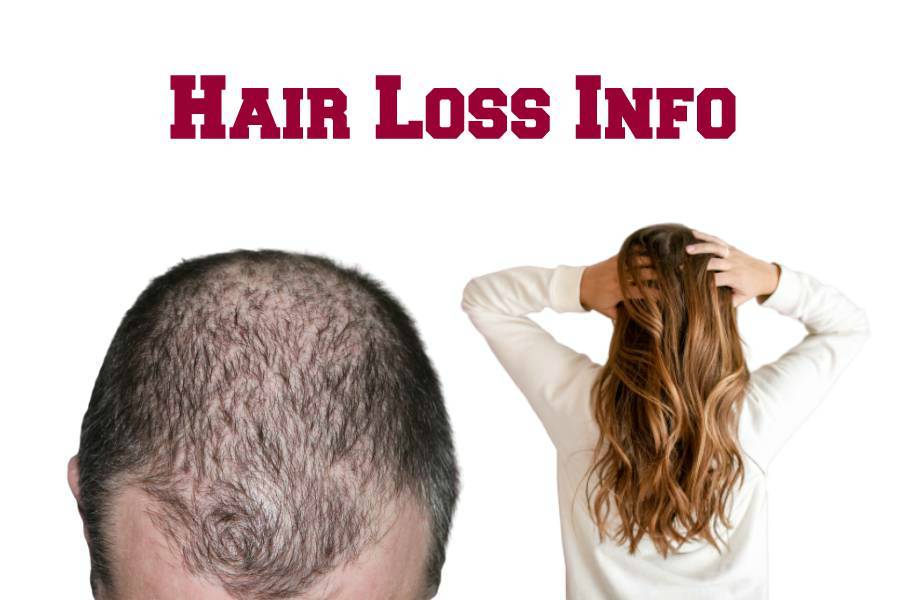
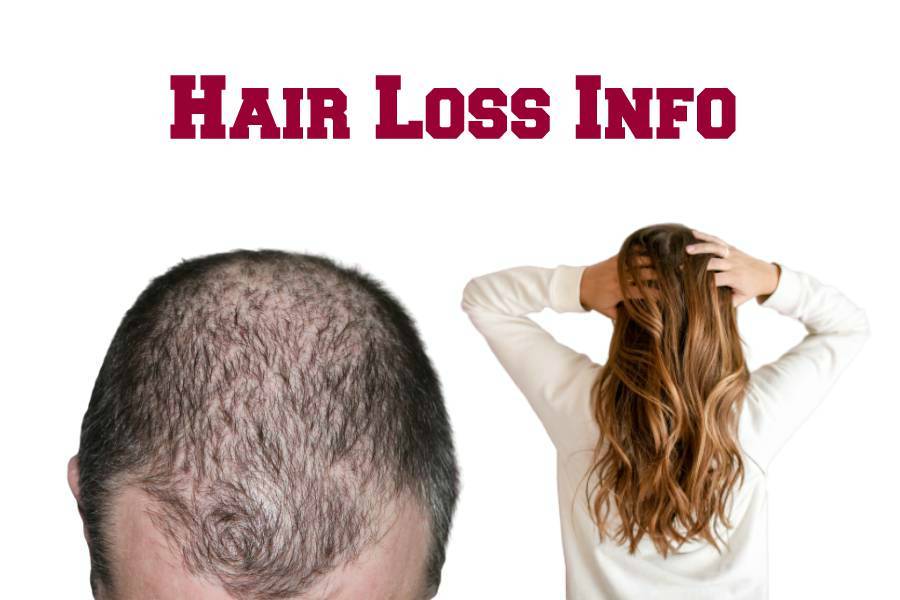
Hair loss is a multidimensional problem that, to many, seems to be an uphill battle. It is absolutely normal to shed a few strands each day-about 50 to 100, if one would want to get specific-but excessive thinning or balding does tend to raise feelings of insecurity and anxiety. The resultant turmoil further feeds the problem, since stress itself is a contributor to hair loss in the first place-a kind of vicious circle. Let’s take a closer look at how our daily habits and exposure increase the susceptibility towards this rather general concern.
The Psychological Impact
While it is important to highlight, one must keep in mind that the question of hair does not relate merely to appearances on the outside; instead, it connects to identity and self-esteem. When people perceive unexpected clumps of hair falling from their comb or a thinness that reflects from the mirror, an emotional downward spiral may occur. Many contemplate, “What makes hair loss worse?” The explanation is far more complex than one may initially suppose. Surprisingly, one of the contributors to this is stress, which causes such disorders as telogen effluvium, whereby hair prematurely enters the shedding phase. This may be just a symptom of deeper problems but definitely adds to the pile of stress many already have to bear.
Section 2: Everyday Habits That Weigh You Down
Diet Dilemmas
Amazingly, what we eat contributes much to our hair health. The strands weaken and nutritional deficiencies may cause increased hair loss. People on diets without nutrients such as proteins, vitamins A and D, iron, and omega-3 fatty acids usually show their negligence in the thinning of their hair. Lack of proper nutrition can act as a catalyst to increase hair loss, making what was otherwise a realistic concern turn into an unreal nightmare.
In addition, excess sugar and carbs raise insulin levels, which in turn drive an increase in androgen production. Androgens have a direct impact on the hair follicle. Thus, if you are trying to ascertain what aggravates hair loss, then your diet is not a bad point at which to begin your search for answers. You may find that making your hair healthier is actually an issue best approached through your plate. Whole foods, green leafy vegetables, and protein-rich foods can make all the difference.
Hair Care Habits
Beyond our diet, most of us unknowingly have sabotaged the health of our hair through bad hair care. Over-washing, excessive styling, and using the wrong harsh products strip hair of its natural oils, increasing dryness and breakage. Topping this with the heat caused by styling tools, hair becomes brittle, falls out, and the styling becomes a two-edged sword.
The constant pulling on hair follicles, resulting from frequent tight hairstyles such as ponytails or braids, can develop a condition known as traction alopecia. Individuals might love the sleek aspect of a tightly pulled bun, but tolerance for that practice can really wane-and result in hair loss. So, give your poor hair that much-needed break. Opt for delicate styles and use good-quality, sulfate-free products. After all, it’s in the way one maintains the gentle approach that will keep their tresses intact.
Section 3: Stress and Lifestyle: The Hair Loss Link
Mind over Matter
Yes, there is a very close and valid association between psychological stress and alopecia, or hair loss. The trials of life, be it career pressure, relationship problems, or even navigating global uncertainties, can all lead to a cascade of anxiety that the body manifests in many ways, which includes thinning hair. Hair loss due to stress is not some general concept; it is underlined by studies that prove how managing one’s mental well-being can play a major part in the halting of hair loss.
Effective coping mechanisms can include meditation and yoga or even leisurely hobbies to dispel stress. Besides, with lesser stress-one’s general health will improve, and it will also provide the final kick needed for the growth of hair. So next time, when stress gets you down, realize the ripple effect that it has on your hair. Take care of your mental health and do not undermine its effect on your luscious mane.
Lifestyle Choices: The Silent Saboteurs
Lifestyle choices also unconsciously help in causing hair loss. Poor sleeping habits, lack of proper water intake, and sedentary lifestyle-the enemies of healthy hair growth. Sleep is indispensable for the restorative process of the body, and studies suggest that sleep deprivation may cause an imbalance in hormones, which aggravates hair problems. Sleep well to rejuvenate fully; very necessary for your mind and locks.
On the other hand, regular exercise increases blood flow, which in turn means that your hair follicles will see more nutrients. Then there’s hydration: water keeps the scalp oiled. Sprinkle in some good habits, and you just might be en route to healthier hair. So, take a second and think about the many things you’ve done, what you’re doing now, and so on. Are there changes you could make for that luscious head of hair you want?
Conclusion: The Road to Hair Regeneration
As we look back at the diverse range of elements that define and worsen hair loss, a pattern will emerge. In one way, it is a web of our diet, lifestyle, emotional psyche, and routine. Being more conscious about what we eat and drink, how we handle stress, and regular hair care can bring tremendous changes. With a holistic approach, one can regain-to an extent-control over one’s hair. Your mane may need some adjusting, but under even the harshest of conditions, beauty can be fostered with dedication and tenderness.