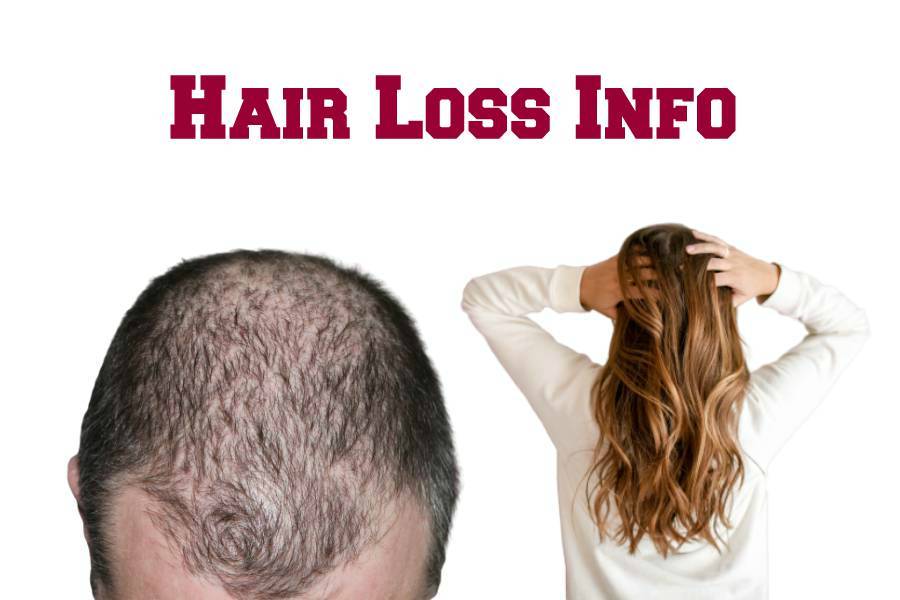
It is frequently misconstrued that hair loss impacts just males. Likewise, there is a misunderstanding that an extremely small number of females deal with hair loss. Neither of these beliefs is precise; research study recommends that an estimated 50% of females will experience some level of hair loss (Hair Loss in Women | Cleveland Clinic, 2018). This problem is especially stressful for ladies as it might not be as obvious as in males, and a female’s beauty is frequently related to having thick, glossy hair.
Among the most stressful experiences a women can go through is the loss of her hair. Baldness happens when hair falls out at a rate of 100-150 hairs daily, and the hair roots stop working to produce brand-new hair growth. While the precise reasons for baldness are still being investigated, it is understood that genes, aging, and diet plan play a substantial function while doing so.
Possible grounds for hair loss
The main reason for hair loss in ladies (approximately 95% before menopause) is hereditary hair loss and persistent telogen effluvium, which results in increased shedding (Thinning Hair and Hair Loss: Could It Be Female Pattern Hair Loss?, n.d.). Unlike males, ladies tend to have thinning hair from the back of the front hairline to the crown.
Telogen effluvium and anagen effluvium are 2 classifications of hair loss. Anagen effluvium takes place because of medications or radical treatments like chemotherapy. On the other hand, telogen effluvium is triggered by an extreme quantity of hair roots in the resting stage (Hoover et al., 2020). The following are reasons for telogen effluvium:
The body might experience tension because of numerous aspects, consisting of surgical treatment, disease, anemia, fast weight modification, and other health concerns. Furthermore, psychological tension can be triggered by occasions such as death, anxiety, and mental disorder. Imbalances in thyroid function can likewise add to total tension levels. Medications, like high dosages of Vitamin A, high blood pressure medications, and gout medications, can likewise have an unfavorable effect. Hormone changes, such as those experienced during pregnancy, menopause, or while taking contraceptive pill, can likewise contribute to tension levels.
Factors for temporary hair loss:
- Insufficient protein or iron consumption
- Hair loss due to autoimmune condition
- Physical or psychological injury
- Childbirth-related hair loss
- Fungal infection of the scalp
When the hidden aspects are dealt with, a repair of hair growth to its natural state can be anticipated.
Diet plan
A well balanced and nourishing diet plan promotes luscious looking locks. Consuming extreme vitamin A can have unfavorable impacts, so it’s advised to restrict your consumption. Foods abundant in protein and iron, such as lean meats, are helpful for preserving healthy hair. Those who follow a vegetarian or vegan diet plan might require paying closer attention to their nutrient consumption, as they might be more prone to hair loss. Supplementing your diet plan with protein, iron, and zinc can assist combat any possible shortages.
The Impact of both physical and emotional strain
Experiencing a severe health problem and extreme psychological stress can result in an incident of hair loss. The body begins to weaken, and its routine operations are impacted. Acknowledging that hair growth is not necessary for survival, the body will focus on other functions, leading to hair loss. Normally, there is a duration of 3 months in between an occasion and the beginning of hair loss. It may likewise use up to 3 months for hair to regrow after the resolution of a severe circumstance.
Physical health concerns, consisting of anemia, low blood count, and thyroid issues, can trigger hair loss. A blood test can assist in recognizing these conditions and recommend proper treatment choices.
Hormones in flux
Hormone variations can cause hair loss in ladies, especially during pregnancy and after stopping use of contraceptive pill. During pregnancy, high levels of progesterone can trigger hair to get in an inactive stage, leading to less hair growth. Following giving birth or the cessation of contraceptive pill, hormonal agent levels adjust, causing the shedding of inactive hair and the growth of brand-new, much healthier hair. This replacement procedure can in some cases trigger a boost in hair fall, however it eventually leads to the growth of thicker, fuller locks (Mayo Clinic, 2019).
Treatments
- Consuming a healthy diet plan that consists of protein and iron-rich foods.
- Consistently going to health care specialists for medical examinations.
- Seeking treatment to handle tension, especially following a stressful experience.
- Utilizing hair weaves, modifying hairdos, or using wigs.
- Undergoing hair transplantation treatments.
- Using Minoxidil (Rogaine)
The favorable element of hair loss is that it can typically be resolved. Females can organize their hair health by being proactive in taking on the source of hair loss. While it might take a while for hair to regrow, discovering a top-quality wig can assist improve self-confidence and lower tension, which can impede the growth procedure. By taking these actions, ladies can restore their hair and their self-assurance.
[amazon-search keywords=”hair loss products for women”]References
Hair Loss in Women | Cleveland Clinic. (2018). Cleveland Clinic. https://my.clevelandclinic.org/health/diseases/16921-hair-loss-in-women
Hoover, E., Alhajj, M., & Flores, J. L. (2020). Physiology, Hair. PubMed; StatPearls Publishing. https://www.ncbi.nlm.nih.gov/books/NBK499948/#:~:text=The%20growth%20of%20the%20hair
Mayo Clinic. (2019). Hair loss – Symptoms and causes. Mayo Clinic. https://www.mayoclinic.org/diseases-conditions/hair-loss/symptoms-causes/syc-20372926
Thinning hair and hair loss: Could it be female pattern hair loss? (n.d.). Www.aad.org. https://www.aad.org/public/diseases/hair-loss/types/female-pattern