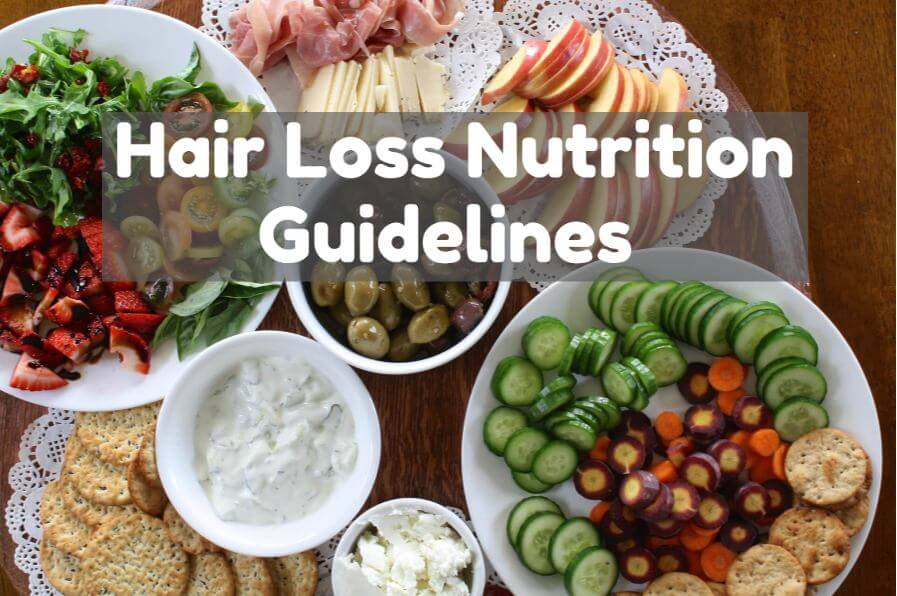
Hair loss nutrition is becoming more and more popular with people who are steadily realizing that a hair loss diet can be beneficial. The good news is that your diet does not have to consist of only one or two things, but can be a complete overhaul of your eating habits. The first thing you will want to consider when looking at a hair loss diet is whether or not you are getting enough vitamins and nutrients. Many people do not get enough nutrients in their diets, which often leads to other health problems.
One way to avoid this is by ensuring that you are getting the proper amount of vitamins and nutrients through a healthy diet. A complete hair loss diet should consist of a variety of foods and supplements. Vitamin B is very important for healthy hair growth and to prevent alopecia areata as well as other types of alopecia. There are a variety of food sources that are high in vitamin B such as vegetables, fruits, and whole grains. Some foods that are also high in vitamin B are eggs, liver, and fortified breakfast cereals.
Vitamin C helps with a healthy immune system, which is especially important to anyone experiencing hair loss. Foods that are high in vitamin C include citrus fruit, broccoli, peppers, tomatoes, and sweet peppers. Vitamin E is also important for healthy hair. Foods that are high in vitamin E are whole grains, whole milk, wheat germ, and other vegetable oils.
Vitamin K helps to build and strengthen healthy hair. Any diet for hair loss should include foods that are rich in this mineral. Foods that are high in vitamin K are green leafy vegetables, carrots, cabbage, lettuce, sweet potatoes, and walnuts. Vitamin K improves blood circulation, which is essential in preventing the formation of various kinds of alopecia, such as alopecia totalis.
In addition to following a healthy hair loss diet, it’s also important to supplement it with certain vitamins and minerals. For example, women who are pregnant or nursing should consider consuming folic acid. Folic acid helps to prevent defects in newborns that can result in their death in the womb. It’s also good to consume enough iron, which is essential for healthy blood flow in the scalp and brain.
If you feel that you’re losing your hair, you can follow one of the hair loss nutrition guidelines above. But remember, when treating yourself to a special treat at a favorite restaurant, make sure you know what’s going into that pie. Don’t trust your taste buds to make up for your lack of awareness of what’s really in the food you’re eating! If you take care of your body and its nutritional requirements, then you’ll be able to maintain the hair you’ve always dreamed of.