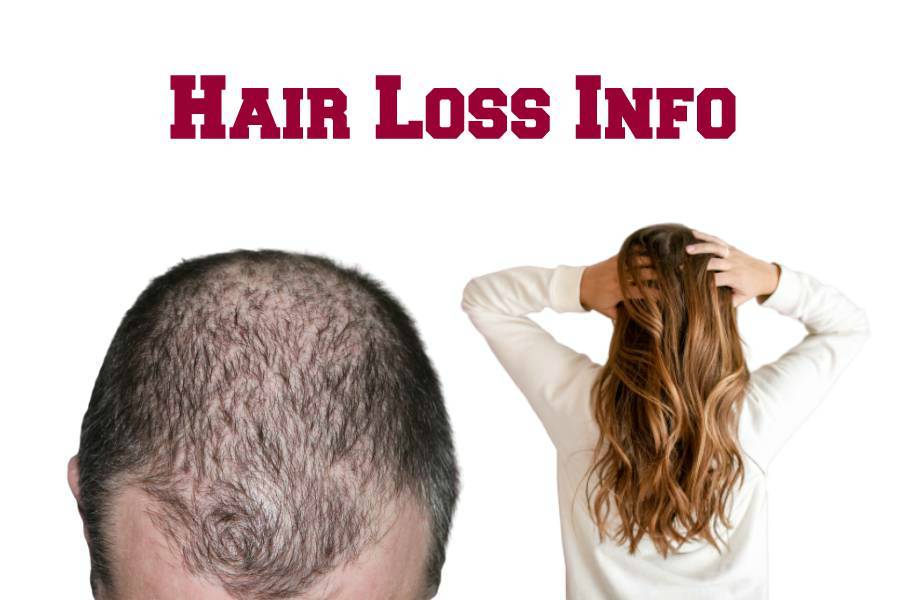
Hair loss is a problem that many people experience. Some women after pregnancy and during the menopause will suddenly lose hair and nearly every male will also lose some hair from the onset of adulthood. So, it’s quite normal to undergo some ongoing, constant hair loss, that in most cases is well balanced by new hair production. When the thyroid does not work well or we have a disease that affects the thyroid it can cause hair loss. Thyroid related hair loss may be brought on by: hyperthyroidism thyroid cancer thyroid hormone deficiency or chronic autoimmune thyroid disease.
Hyperthyroidism as mentioned above is the leading cause of this problem. It can be caused by radioactive iodine therapy, chemotherapy and surgery. The treatment for hyperthyroidism will involve the use of synthetic hormones that are injected into the thyroid gland. These hormones in turn will stimulate the thyroid gland to produce more thyroid hormones. There are side effects with this type of hormone therapy, which include bone weakness, fluid retention and weight gain. The replacement of these hormones will usually take several months.
A more natural method of treating this problem is through the use of herbs. One herb that has been used for centuries to treat thyroid dysfunction is Frankincense. This herb works to help regulate thyroid hormones and encourage hair growth. There are also other herbs like horsetail, Stinging Nettle and Bugleweed that are very effective at stimulating the thyroid gland to produce more hormones.
Another homeopathic way of dealing with thyroid disorders is to massage the scalp using several month’s worth of frankincense oil. This treatment should be done several months apart to maximize its effects. You can also cover the head with an elastic cap to prevent further hair loss.
It is also important to note that there is a rare form of autoimmune thyroid disease known as alopecia areata, which can result in baldness. Alopecia areata is when the hair on your head thins rapidly. This condition is typically characterized by patches of hair loss on your head. While this can happen to both men and women, it is most common among women. While there have been no studies linking alopecia areata with an increased risk of hair loss in those suffering from the condition, you should contact your doctor immediately if you notice hair loss on your head.
Levothyroxine is a natural alternative to synthetic hormones. This is a supplement that is usually used to treat thyroid conditions such as an underactive thyroid. Levothyroxine is an essential hormone needed for normal cellular function. Women need to take at least one to two tablets daily and men need to take four to six tablets daily. If you think you might be suffering from hair loss caused by an overactive thyroid gland or some other type of hormonal imbalance, talk to your doctor about an alternative treatment such as levothyroxine.